

Sheep milk contains Vitamins A, B, D & E
Sheep milk can contain up to three times more protein than cow or goat milk. Because of the exceptional levels of protein, sheep milk should only be given to babies if professionally modified and recommended, however nursing mothers have been proven to benefit greatly from it’s high nutritional values.
The calcium levels in sheep milk are double that found in cows’ milk! It’s true: sheep milk and milk products are the best source of calcium because the Vitamins A & D and potassium levels are considerably higher than in cow and goat milk.
Lactose intolerant? Then consider sheep milk products as your alternative. There is scientific evidence that proves the lactose in sheep milk is far more tolerated than that from other milks, even for those severely lactose intolerant.
 Why Sheep Milk?
| µ / 100 g |
Sheep |
Goat |
Cow |
| Vitamin A |
83 |
44 |
52 |
| B Carotene |
0.2 |
<0.1 |
<0.21 |
| Vitamin D |
0.18 – 0.88 |
0.12 |
0.03 |
| Vitamin E |
120 |
30 |
90 |
| Vitamin C |
4700 |
1100 |
1500 |
| Thiamin |
85 |
41 |
40 |
| Riboflavin |
330 |
138 |
180 |
| Vitamin B6 |
83 |
63 |
50 |
| Vitamin B12 |
0.6 |
0.08 |
0.4 |
| Nicotinic acid |
428 |
328 |
80 |
| Pantothenic acid |
464 |
415 |
50 |
| Biotin |
2.6 |
3.1 |
3.0 |
| Folic acid |
5.6 |
0.6 |
0.5 |


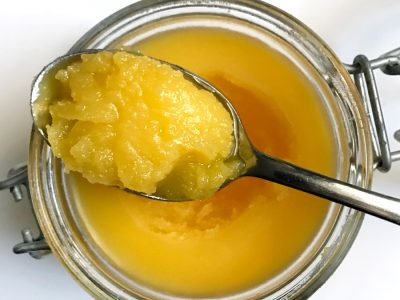
 Here Are Amazing Benefits Of Ghee Are:
Recent Comments